Dwelling
Coverage for the house and attached structures after a covered loss, subject to the limit and policy terms.

Homeowners, renters, condo, and landlord coverage reviewed through the details that actually shape the policy.
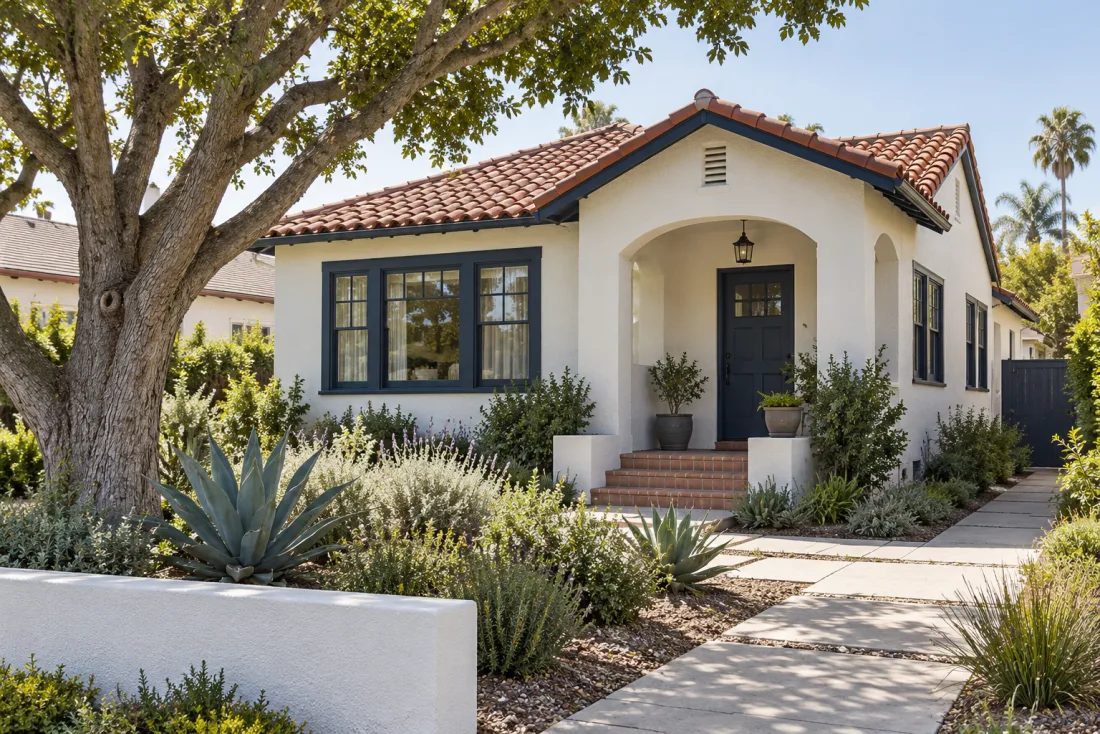
Homeowners policies commonly separate protection for the dwelling, other structures, personal property, loss of use, personal liability, and medical payments to others. Renters and condo policies arrange those pieces differently.
California does not generally require homeowners insurance, but a mortgage servicer usually requires coverage. Rebuild cost, property features, occupancy, loss history, deductibles, and carrier eligibility all shape the available options.
Coverage for the house and attached structures after a covered loss, subject to the limit and policy terms.
Detached structures such as certain garages or fences may have a separate limit.
Belongings may be covered subject to valuation terms, sublimits, deductibles, and exclusions.
May help with additional living expenses when a covered loss makes the residence uninhabitable.
May respond to covered claims alleging bodily injury or property damage for which an insured is legally responsible.
Limited no-fault medical payments coverage for certain injuries to others, subject to the contract.
Dwelling limits should reflect the estimated cost to repair or rebuild—not simply the sale price or land value. Construction costs and code-upgrade needs can change, so limits deserve a periodic review.
Renters should also inventory belongings and consider liability and loss-of-use needs. Landlords and condo owners have different ownership boundaries, association documents, and occupancy questions.
Actual policy language, eligibility, carrier underwriting, limits, deductibles, and exclusions control. A website summary cannot bind or guarantee coverage.
Usually not. Those risks generally require separate coverage or policy arrangements. Always read the exclusions in the actual policy.
California generally does not require it, but a mortgage servicer typically requires sufficient insurance as a loan condition.
A renters policy may address personal property, loss of use, personal liability, and other selected coverages, subject to its terms, limits, and exclusions. It does not insure the landlord’s building as your property.
Yes. Renovations and additions can change rebuild cost, property features, and coverage needs. Share material changes with the agency or carrier.
Tell us what you drive, own, rent, or operate. A local broker will explain which details and documents matter next.