Covered autos
The symbols and schedule determine which owned, hired, or non-owned autos may be covered.
Practical protection for the vehicles, drivers, and daily operations that keep your business moving.
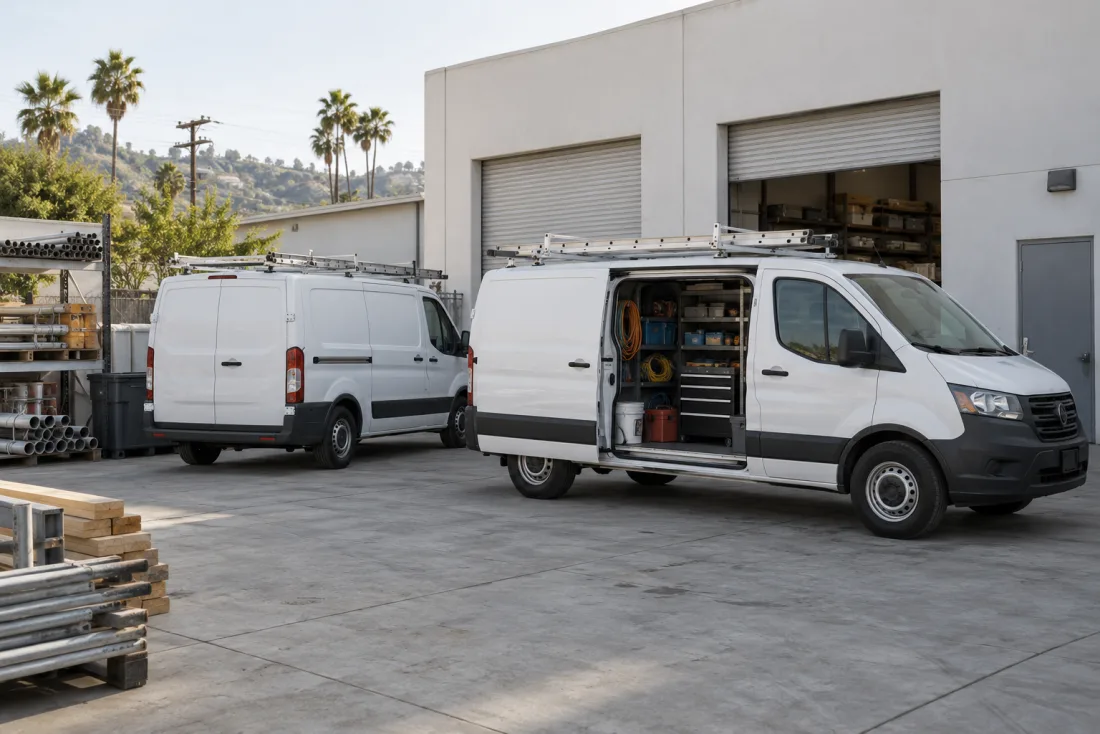
Commercial auto underwriting considers the business, vehicle types, radius, cargo, drivers, ownership, garaging, contracts, and how each vehicle is used. A contractor, florist, wholesaler, and delivery operation do not present the same risks.
The vehicle policy should reflect the real operation. It also needs to be reviewed alongside general liability, workers’ compensation, property, umbrella, and bond requirements when those apply.
The symbols and schedule determine which owned, hired, or non-owned autos may be covered.
Addresses covered liability arising from business vehicle use, subject to limits, exclusions, and policy terms.
Comprehensive and collision choices can protect scheduled vehicles, subject to valuations and deductibles.
Motor vehicle records, experience, job duties, license class, and access to vehicles affect the review.
Where vehicles travel, what they carry, towing, equipment, and job-site activity must be described accurately.
Additional insured, waiver, certificate, DOT, DMV, or other requirements should be reviewed before deadlines.
A complete review may include general liability, workers’ compensation, business property, inland marine, umbrella, and bonds. The right combination depends on employees, contracts, locations, equipment, and professional activity.
California employers with one or more employees generally must satisfy workers’ compensation requirements, subject to applicable definitions and exclusions. Bring payroll and class-code information into the broader business review.
Actual policy language, eligibility, carrier underwriting, limits, deductibles, and exclusions control. A website summary cannot bind or guarantee coverage.
Do not assume it does. Business use can be restricted or excluded depending on the policy and activity. Describe the actual use so the appropriate form can be reviewed.
It can address certain liability exposures involving vehicles the business rents or uses but does not own, subject to the policy’s definitions, symbols, exclusions, and endorsements.
California employers with one or more employees generally must satisfy workers’ compensation requirements, subject to applicable law and exclusions. The commercial review should consider employees separately from auto coverage.
The agency can help with certificates after eligible coverage is in effect. A certificate cannot create coverage or terms that the policy and endorsements do not provide.
Tell us what you drive, own, rent, or operate. A local broker will explain which details and documents matter next.